

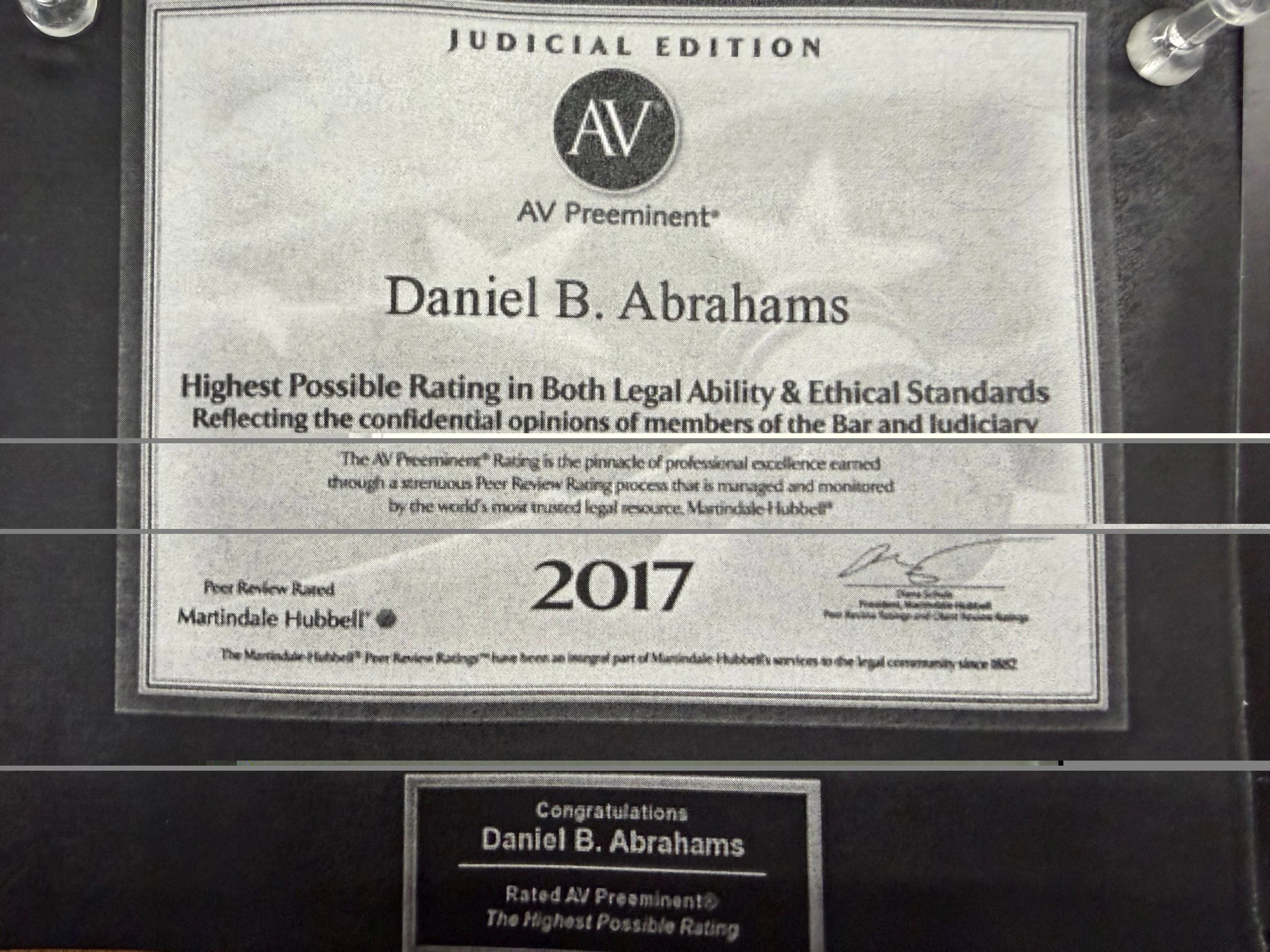
I always thought the lawyer rating business was a scam mostly directed at lawyers.
Read More
Here is a follow up to a blog I wrote last month. I am puzzled why the Wage & Hour Division (“WHD”) would ever think it proper to withhold money from the prime contractor where the SCA clauses or wage determinations were originally left out of the government contract. One of the WHD duties is to not withhold money from the contractor for issues which relate to changes in the contract which were ordered by the Government. That is a breach of contract. Instead, This adjustment must be paid for by the procuring agency, and that means funding the change order and paying for the cost of the increased wages and benefits arising from the correction of the Government’s own errors.
Read More
Here is my tribute to The Maltese Falcon and the stuff that dreams are made of.
Read MoreIt is time for some mid-term investment thoughts. I think it prudent to take some winnings off the table. It isn’t all in or all out. And consider buying some real tangible stuff in an inflationary world.
Read MoreAs Robert Frost said, two roads diverged unto a wood, and I took the one less traveled.
Read More
Pro bono publico – for the public good – the saying is one of the pillars of the private bar. It is the ideal of voluntarily performing professional services without any charge or payment.
Read MoreWhen a Service Contract Act (“SCA”) wage determination (“WD”) is omitted from a covered Government service contract and then added into the contract after award, that triggers a right to a price adjustment under the Changes clause, which adjustment includes overhead, G&A and profit.
Read MoreFor many government contractors, benefit plans are the more cost‑effective, employee friendly, and compliant solution. But the ultimate decision is a business judgment, and there are circumstances where it is easier to pay the cash fringes.
Read More
New Service Contract Act (“SCA”) health and welfare (“H&W’) rates for 2026 - 2027 have supposedly been determined but I cannot find any public official DOL announcement.
Read More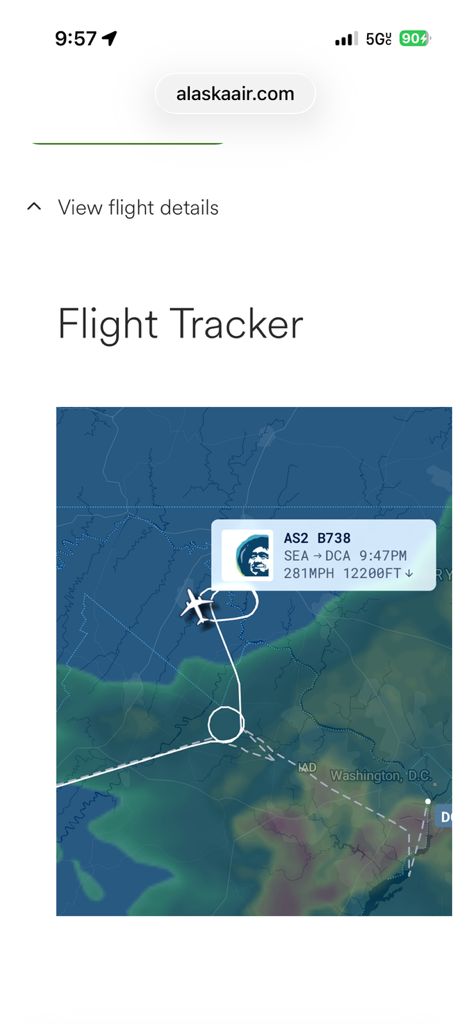
Airplane travel is getting very strange.
Read More
With the Secretary of Labor’s resignation, the path cleared for Keith Sonderling to take the Department reigns more formally.
Read More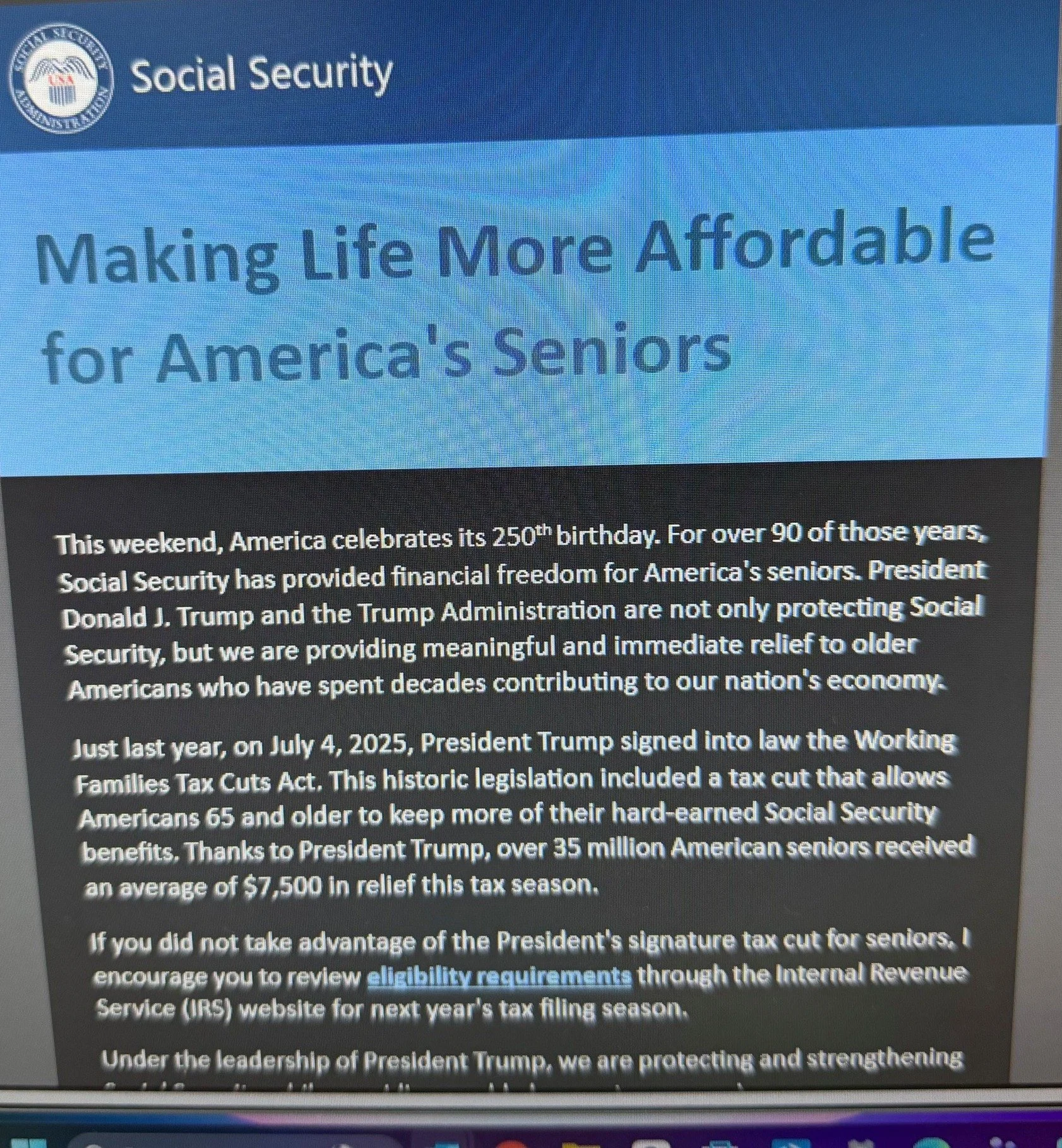
It is clear Trump lost the war. He personally snatched defeat out of the jaws of victory.
Read MoreAs part of my “fraud” series of blogs, I present a new blog about bitcoin investments. My thesis is don’t buy bitcoins and don’t try to short bitcoins or companies that act as bitcoin repositories. You may get burn at both ends of the candle.
Read More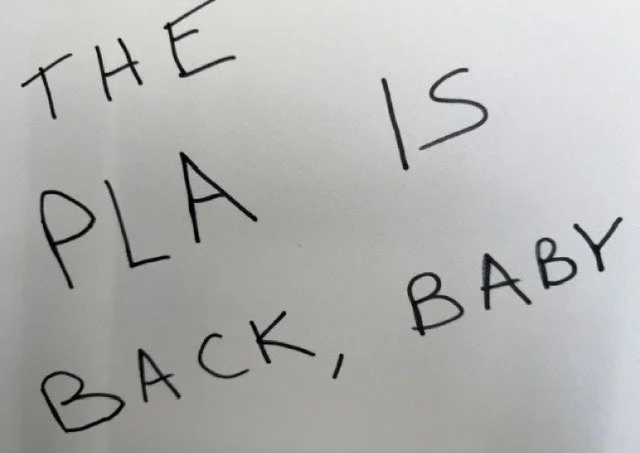
The Biden-era Project Labor Agreement (“PLA”) Executive Order lives on says the 11th Circuit and is enforced by the Trump Administration. Simply put, the federal government as a proprietor can specify its needs and likely has the right to contract in its government procurements as it largely wishes when it comes to PLAs, at least for the time being.
Read MoreThe misbegotten Biden-era attempt to apply the Davis-Bacon Act (“DBA”) by operation of law to contracts that omit the clauses and wage determinations is likely to soon be completely dead. And if you are a trucker or materialman business bringing goods to a DBA covered work site, you are now less likely to be caught up regulatory web and covered by the DBA.
Read More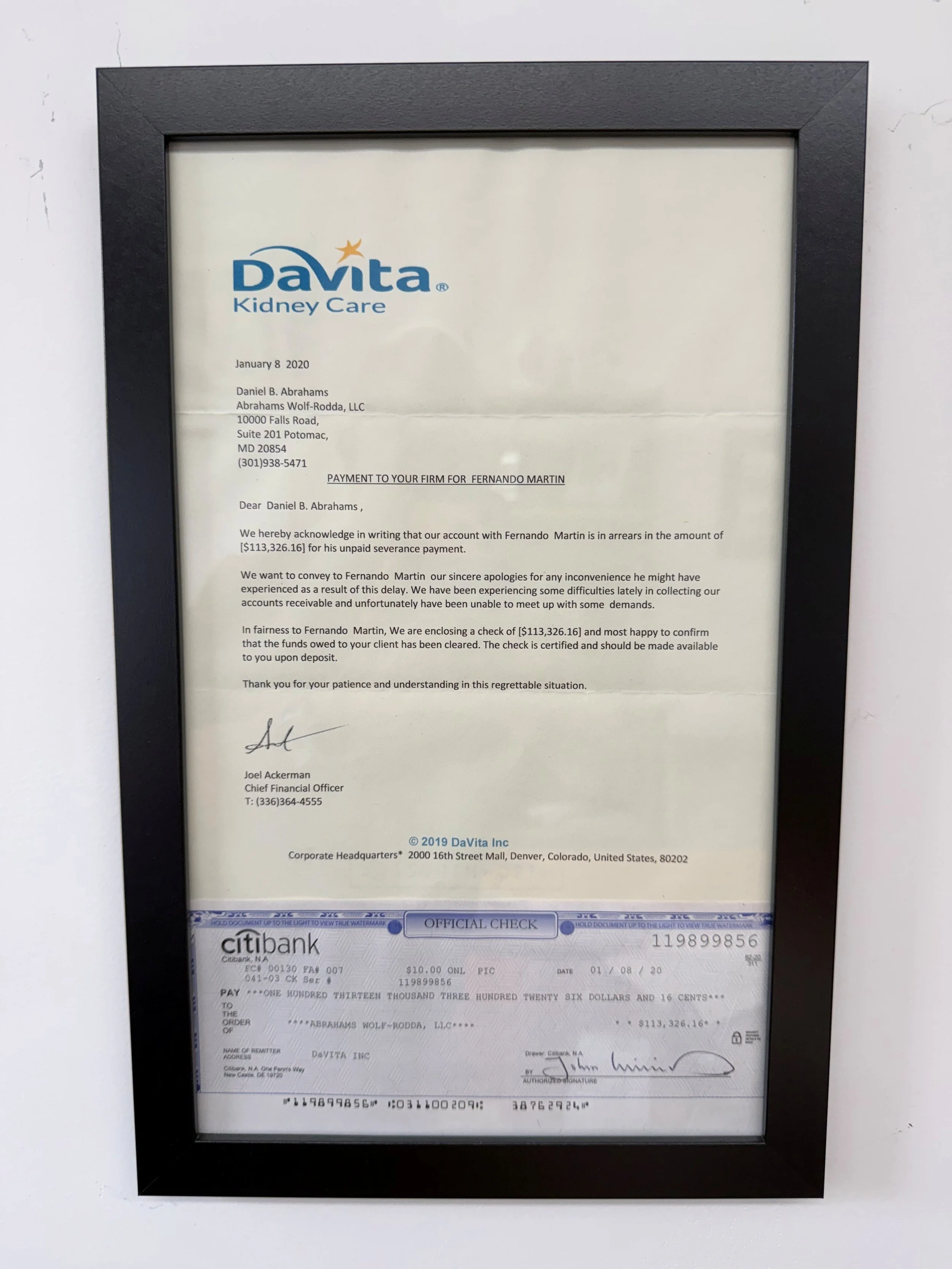
Back in 2020, on the cusp of the pandemic, I received an email allegedly from a former employee of a national business claiming he was sexually harassed by his female supervisor and had negotiated a six-figure settlement with the company but then had not been paid. He asked for legal assistance. I demurred, but thereafter a very complex business fraud unspooled before my eyes, trying to tempt me to go for easy money.
Read MoreDOL and state labor departments are eyeing this summer’s FIFA World Cup events and monitoring wage and hour enforcement while trying to guide employers. Personally, I am skipping the Seattle event.
Read MoreIn late 2024, I wrote two personal checks to pay some small bills and put them in my home US mailbox. I was aware that there had been some mail theft in my neighborhood, so shame on me for not taking better precautions. Neither check reached their recipient. So begins the tale.
Read MoreIt has been a long 41-year largely continuous run, but I have decided to hang my instructor gig up in 2026. Tomorrow, I will teach my last virtual seminar for Federal Publications. And this summer I will teach my last in-person live session. All things must pass. Here is a thank you to all my students.
Read More